The Role in Plain Terms
Industrial electricians keep electrical equipment operating in production and process environments. They may install equipment, carry out planned maintenance, trace faults, test circuits, support shutdowns and help bring new plant online.
The setting matters. A factory, water-treatment plant, food producer, warehouse and processing site each has different equipment, safety controls and operating pressures.
Common Work
An industrial electrician may work with motors, switchboards, control circuits, sensors, drives, conveyors, machinery and production equipment. The role often demands careful fault finding, accurate maintenance records and calm communication when equipment stops.
Some jobs sit close to controls and instrumentation. Others focus on electrical maintenance or installation. Employers should describe this difference clearly. Candidates should avoid claiming platform or high-voltage experience they cannot explain in detail.
What Employers Usually Need
The strongest industrial candidates usually bring a mix of hands-on diagnosis, safe work habits and operational awareness. They can explain what they checked before acting, how they communicated with operators and how they recorded the job after restart.
Useful experience may include planned maintenance, breakdown response, motor control, drives, production equipment, drawings and permits. The right mix depends on the site, not a generic checklist.
Qualifications and Verification
Electrical work must be carried out within a person’s current licence, competence and local requirements. Before employment or engagement, employers should verify licences, registrations and role-specific tickets with the relevant state or territory regulator and their own safety process.
Candidates moving from commercial work into industrial maintenance can strengthen their position through supervised site exposure, relevant training and a clear record of the equipment they have worked on.
Finding the Right Next Step
For candidates, choose roles where the plant, roster and training match the experience you want to build. For employers, describe the production environment and the real work before asking for niche experience.
Looking for an industrial role? Use the candidate intake form. Hiring for one? Book a recruitment chat.
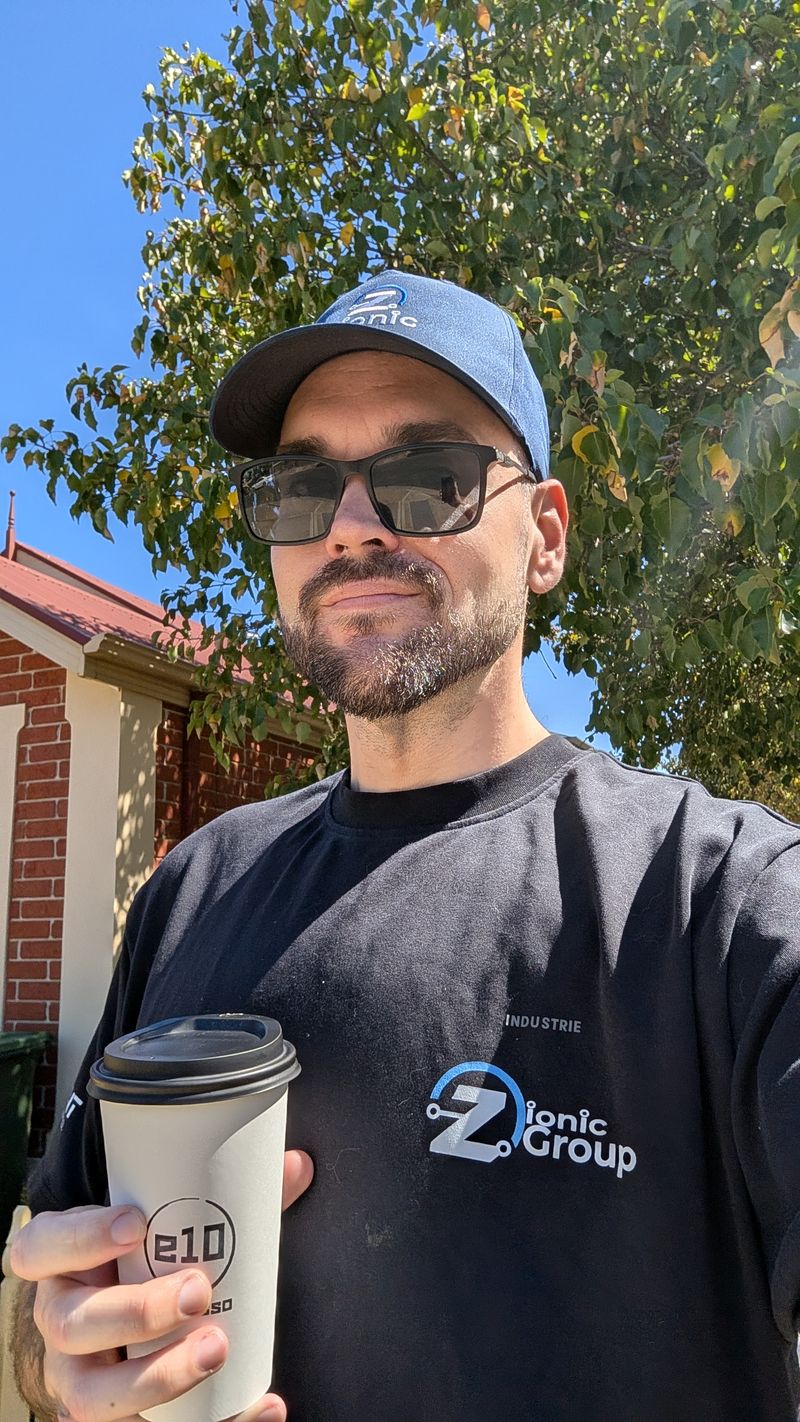
About Zionic Group
Founder & CEO Daniel Bryant brings steelworks experience, agency recruitment and founder-led hiring across industrial manufacturing and commercial trades.
Meet Daniel